COP31 goes off the rails, predictably
Introduction
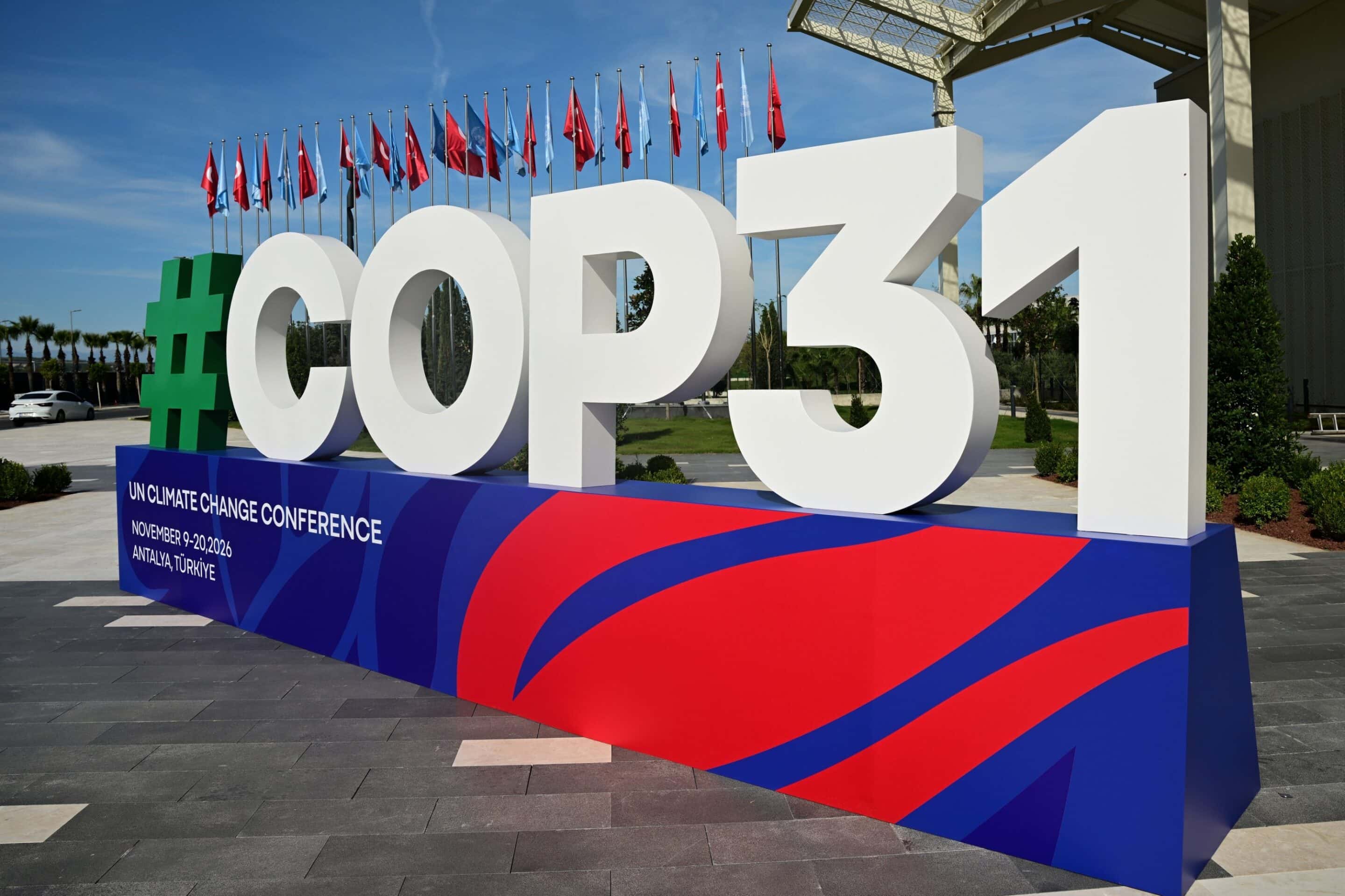
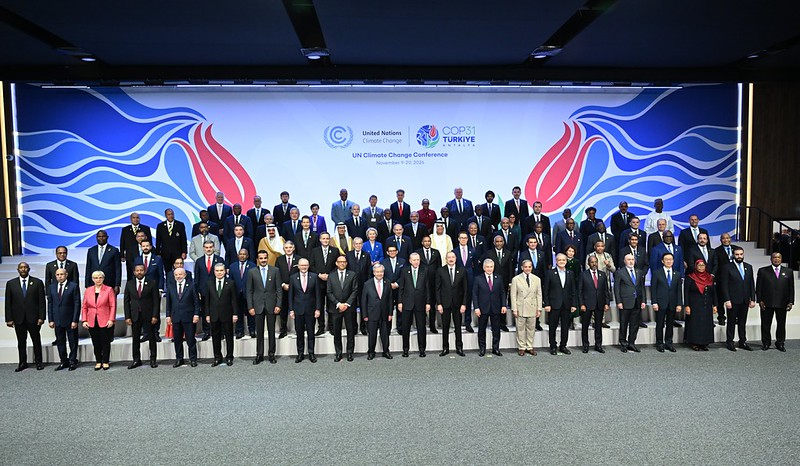
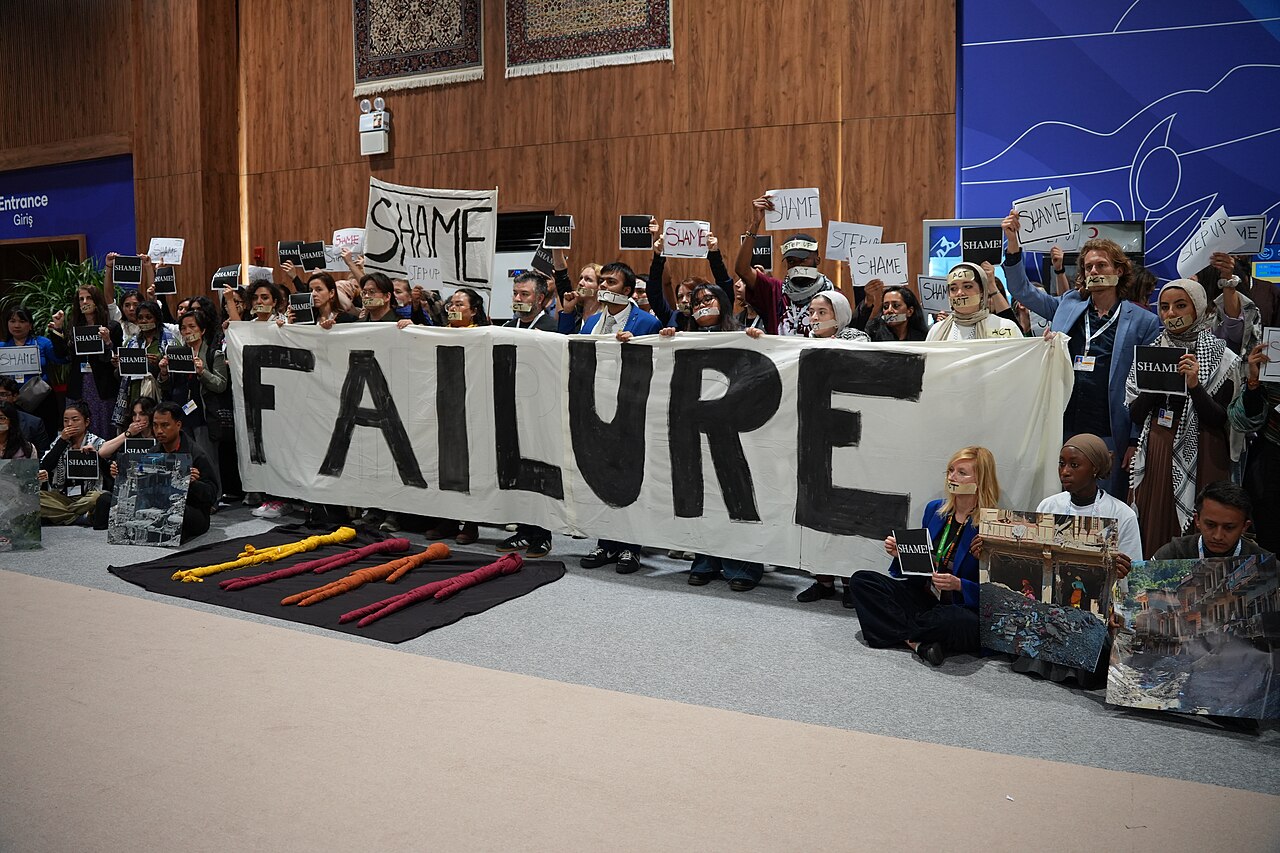
After the longest UN climate summit on record, COP31 in Türkiye has collapsed completely without a deal, making it the first total breakdown of a climate summit in a quarter of a century. Türkiye had hoped that the event would position it as a global diplomatic broker. Instead, the hapless Environment Minister Murat Kurum was forced to sit through what must have been the longest day of his life in the Plenary Hall in Antalya as delegation after delegation took the mic to shred the document he had shepherded for months. Worse still, the Adaptation Fund, which managed to raise only USD50 million, is on its last knees.

Reactions
Panama’s Environment Minister Juan Carlos Navarro labelled the entire COP process “a bunch of baloney," a forum for "beautiful speeches and BS".
Senegal’s Minister of Environment and Ecological Transition, Dr. Aliou Gori Diouf added: “You set fire to the bush, and you have water tankers. I have only a bucket of water, and you ask me to use my bucket to put out the fire you started.”
The EU’s top representatives at the Summit, Ireland's Climate and Energy Minister Darragh O'Brien and EU Climate Commissioner Wopke Hoekstra put out a joint statement condemning what they had just witnessed:
“We, the EU and its Member States, who are united in our commitment to the principles of the UNFCCC and the Paris Agreement, came to COP31 to forge a credible response to the climate emergency. We express our profound disappointment with the final draft COP31 cover decision. At a point where the world urgently needs action to avert disastrous level of global warming, the draft cover decision falls short. We will not endorse a cover decision that does not respond to the science, that disregards the implementation gap, and risks deepening the chasm between global commitments and the action required to correct the overshoot and bring 1.5°C within reach. We will not endorse a cover decision that does not even mention fossil fuels, the driver of climate change. And we will not accept negotiating backward in time. And we will not accept a COP that greenwashes fossil fuels.”

A predictable climbdown
It had been clear for months that the COP process was facing serious headwinds. The USA had pulled out of the process altogether. In France, Emmanuel Macron, who is term-tied, is trying to unify presidential candidates who hope to inherit the La République En Marche! / LREM mantle ahead of the next presidential elections. In the UK, BREXIT and then the Keir Starmer-Andy Burnham struggle, has eroded much of what Alok Sharma accomplished at COP26. Even China, which made the right noises in Baku about filling the void that had been created by the US, had a very subdued presence in Antalya.
The petrostates smelled an opportunity to roll back some key COP demands and used full advantage of it. Petrostates (led by Saudi Arabia and Russia) fiercely resisted any language targeting the phase-out or transition away from coal, oil, and gas. Their back-room efforts appeared all over the final conference documents.
Wealthy nations refused to commit to concrete, hard figures for climate adaptation funding, leaving developing countries and frontline islands exposed to escalating economic damages.
The final draft completely omitted the words "fossil fuels," "coal," "oil," or "gas". A previous draft calling for an immediate transition was scrubbed and replaced with vague phrasing regarding an "irreversible global transition towards low emissions".
It included explicit goals to drastically scale up Carbon Capture, Utilisation, and Storage (CCUS) technologies. This particular point revealed Türkiye’s hand. Many delegates had been wondering why Murat Kurum was so focused on electrification targets (Global Electrification Pledge) ahead of COP31. It turns out that it was all about AI growth and techno-fixes.
The draft failed to specify a definitive dollar amount or structural timeline for tripling adaptation finance for developing nations, which had been a key pledge from earlier summits. Poorer and climate-vulnerable nations - notably the African Group of Negotiators - condemned the text for lacking actionable finance commitments. At Africa’s Daily briefings, Senegal’s Dr. Aliou Gori Diouf had often lamented that Africa is spending unprecedented amounts of its own money on adaptation while paying back the most expensive loans on the planet, a key talking point of the Africa Climate Summit.

Looking ahead
Unresolved items from Antalya will now carry over to COP32 inAddis Ababa. Ethiopia is racing ahead with massive investments in its capital city. A military campaign is simultaneously wiping out pro-independent factions in the northern regions.
There is very little to suggest that COP32 is going to be any better than COP31. The major superpowers are all dealing with large right-wing, climate-denialist voter bases and so, while that lasts, little is going to change in the UNFCCC’s institutions. Also, Ethiopia is much closer to the petrostates and China than it is to the EU and the US. In this context, it is difficult to see how COP32 President Designate Gideon Timothewos and Prime Minister Abiy Ahmed Ali can change anything. Already, if the pair can despair the deep fractures that emerged in Antalya, bring fossil fuel back front and centre and get the adaptation fund going again, that will bring the process back on track.
Ethiopia has further integrated key Africa Climate Summit demands in its priority list, including large-scale ecological restoration (Green Legacy Initiative), clean cooking, and regional renewable energy grids.
So let’s see what happens. Hopefully, it is not more of the same theatre and performative speeches that caused Juan Carlos Navarro to label the process as just a bunch of baloney, beautiful speeches and BS.
At this stage, all we can do is throw everything that we know about human nature out the window and hope for the best.